


Expand Your Knowledge
Education: What is Two Spirit, Indigiqueer, & LGBTQPAI+?
What’s in a word?
LGBTQPAI+ stands for:
Lesbian
Gay
Bisexual
Transgender
Queer
Pansexual
Asexual
Intersex
+ (continuum)
To understand more about Two-Spirit, Indigiqueer, and LGBTQPAI+, it is crucial to first understand the concepts of:
the gender binary
sex
gender identity
transgender
binary vs nonbinary
cisgender
gender expression
sexual expression
sexual orientation
asexual orientation
romantic orientation
aromantic orientation
To understand more about Two Spirit, Indigiqueer, and LGBTQPAI+, it is crucial to first understand the concepts of:
Sexual Attraction
Sex
Sexual Orientation
Gender Expression
Sexual Expression
Romantic Orientation
Gender Identity
Romantic Attraction
More over, it is vital to understand how these identities and aspects makeup an individual.

Romantic Attraction
Sexual Attraction
Sexual Orientation
Sex
Gender Identity
Gender Expression
Romantic Orientation
Sexual Expression
The Gender Binary
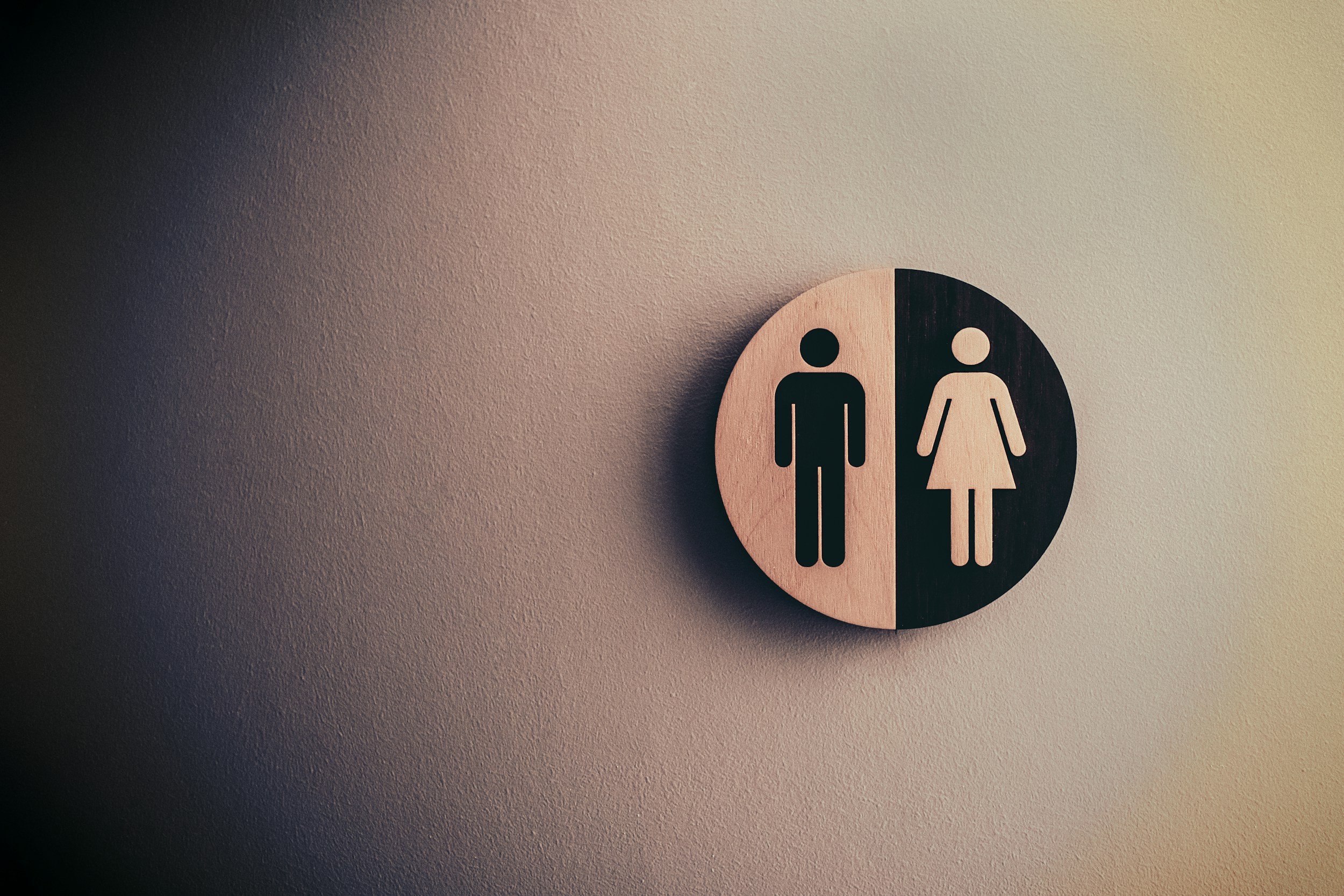
The gender binary is a systematic, social, and cultural conflation of sex, gender identity, gender expression, sexual, and romantic orientation as either masculine or feminine. While the gender binary works for some people, the gender binary is not the universal reality as such norms and expectation can be harmful to others.
Cisgender Heteronormative
Such norms and expectations are deemed cisgender heteronormative which defines the human reality in a gender binary system where:
there are only two sexes: male and female.
there are only two genders: male bodied people are men/boys and female bodied people are women/girls.
there are only two gender expressions: masculine which is expected of male bodied men/boys and feminine which is expected of female bodied women/girls.
This is known as cisnormative
boys are only to be sexually and romantically attracted to girls and vice versa. Men are only to be sexually and romantically attracted to women and vice versa.
This is known as heteronormative.
Cisnormative and heteronormative together is cisheteronormativity.
In addition to cisheteronormativity, in a colonial sense, boys and men are expected to be masculine and fit masculine characteristics, attributes, behaviors, thought patterns, etc. of the colonizers and girls and women are meant to be to subservient not only to men and boys but to uphold colonial patriarchy as well.
The World is more than the gender binary
In the following, we will explore and decolonize each aspect of a persons identity.
Sex
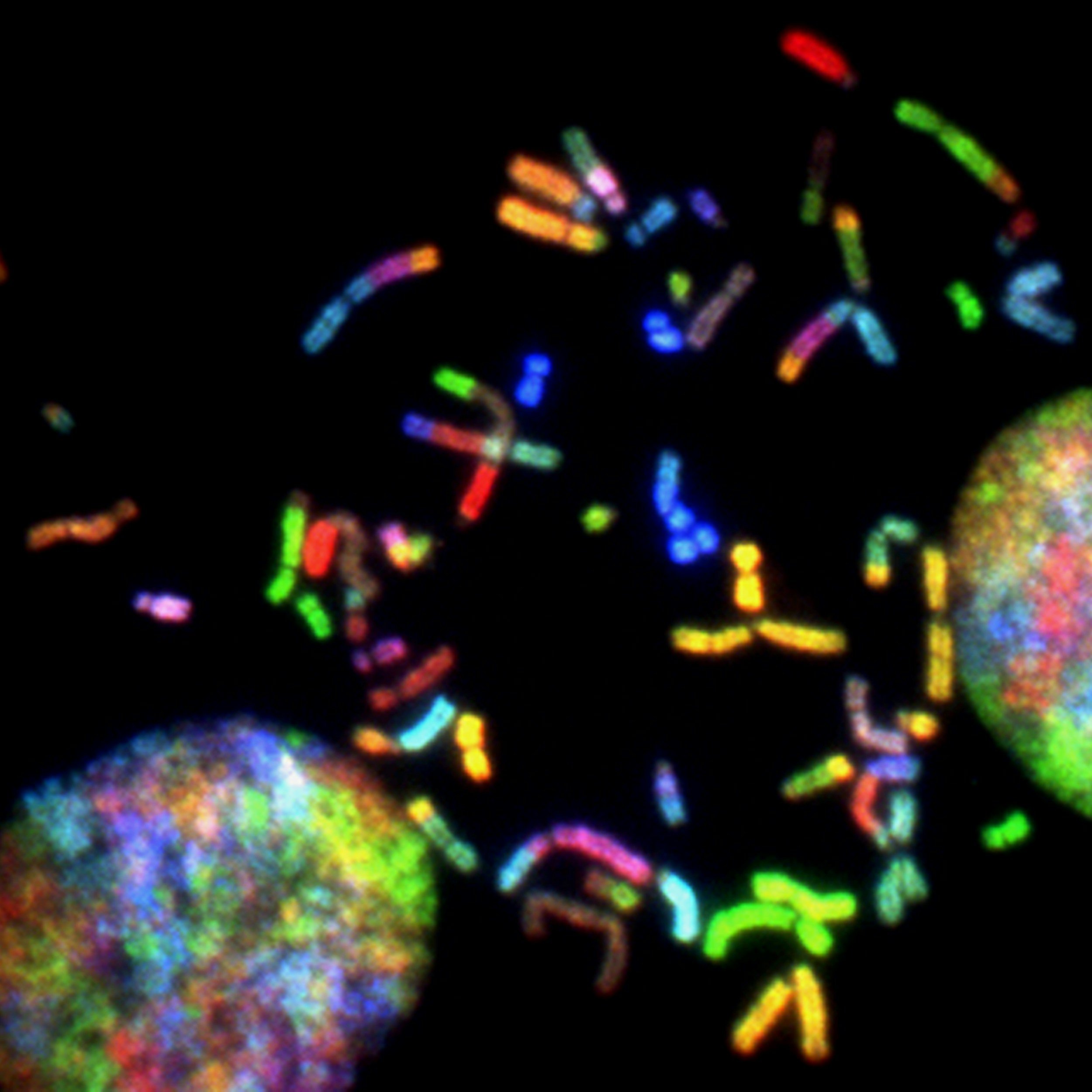
Sex is the biological and physiological characteristics that distinguishes male, female, or intersex anatomy from each other within groups of organisms or living creatures, including humans. Some but not all of these characteristics are marked by one's:
-
Hormone level differences
Pituitary gland differences
Thyroid glands differences
-
Brain Development similarities and differences
-
DNA similarities and differences
Chromosome differences
-
Gonadal (sexual reproductive glands that produce gametes, ie. testes, ovaries, etc.) differences and similarities
-
Hair growth differences
Bone structure differences
Skin texture differences
Fat distribution differences
Muscle development differences
Height differences
Vocal differences
and so much more.
It should be noted that a person's sex is not synonymous with their gender identity or expression. We know well that sex, gender identity, and expression, are two totally different entities.
Sex Assigned/Designated at Birth
Another term that addresses the topic of sex is "Assigned/Designated Male At Birth" (AMAB/DMAB) and "Assigned/Designated Female At Birth" (AFAB/DFAB). These terms highlight the fact that all of us, regardless of gender identity, gender expression, sexual, and romantic orientation were assigned and designated a sex at birth within the gender binary of male and female (often by doctor and other medical staff). We know this is not the case as there exists a spectrum of people's sex including many variations of intersex people.


Gender Identity
Gender Identity is one's own internal sense of being female, a woman, feminine, male, a man, or masculine (also known as gender). One could also have an internal sense of being non binary or non-conforming where they don't identify as being male, female, feminine, masculine, a woman, or a man. Some people may or may not identify with the gender they were assigned at birth. Click on each category below to read more about how gender manifests in people.
-
Cisgender is when one identifies with the gender they were assigned at birth. It utilizes the prefix "cis-" meaning "on this side of" and the root word "gender (from Latin genus meaning birth or origin)" which if the gender binary is addressed means "on this side of gender (that they were assigned at birth)."
cis- (“on this side of”) + gender (genus, “birth or origin”) = "on this side of gender”
Cisgender people can identify with any sexual or romantic orientation. It was created to address the invalidating terms of "biological man or woman, real man or woman, natal born man or woman" when comparing transgender people to cisgender people.
-
This basically means that if a person was assigned male at birth, they would grow up identifying as a young boy and mature into an adult identifying as a man (which would be called a cisgender boy or man or cis boy or man for short).
AMAB + Identifying as a boy/man = cis boy/man
On the other hand, if a person was assigned female at birth, they would grow up identifying as a young girl and mature into adulthood identifying as a woman (which would be called a cisgender girl or woman or cis girl or women for short).
AFAB + Identifying as a girl/woman = cis girl/woman
-
Transgender is when one does not identify with the gender they were assigned at birth (as a result, is utilized as a general umbrella term). It utilizes the prefix "trans-" meaning "across from" and the root word "gender (from Latin genus meaning birth or origin)" which if the gender binary is addressed means "the side across the gender (that they were assigned at birth)."
trans (“on that side of”) + gender (genus, “birth or origin”) = "on that side of gender”
Transgender people can identify with any sexual or romantic orientation. Transgender individuals can identify with the gender binary of being girl, woman, boy, or man. They can also identify outside or not with the gender binary by being nonbinary (NB/enby), gender nonconforming (GNC)
It was created to replace outdated and offensive terminology such as "transsexual, cross dresser, transvestite, etc." though it should be noted that there are individuals who still identify with these terms. -
For binary individuals, this basically means that if a person was assigned male at birth, they would grow up identifying as a young girl or mature into an adult identifying as a woman (which would be called a transgender girl or woman or trans girl or woman for short).
AMAB + Identifying as a girl/woman = trans girl/woman
On the other hand, if a binary transgender person was assigned female at birth, they would grow up identifying as a young boy or mature into adulthood identifying as a man (which would be called a transgender boy or man or trans boy or man for short).
AFAB + Identifying as a boy/man = trans boy/man
Nonbinary and Gender Non-Conforming individuals do not identify with the gender they were assigned at birth so they are often categorize as transgender though many believe they are their own independent entity.
This basically means that if a person was assigned male or female at birth, they would grow up identifying as nonbinary or mature into an adult identifying as nonbinary (some nonbinary folks might identify as feminine/femme or masculine/masc).
AMAB or AFAB + Identifying as nonbinary= nonbinary or gender non-conforming person



Gender Expression
Gender Expression is how one expresses their own external sense of their gender whether is it masculine, feminine, androgynous, etc.
Gender expression is not the same as gender identity or used to tell someone's sexual or romantic orientation. There are various ways in which someone expresses their gender such as:
hairstyle
clothing
makeup
speech mannerism
body language
and much more!




Sexual Orientation
Sexual orientation is the sexual attraction to other people. This sexual attraction can be based on one's sexual anatomy or even gender.
Note that sexual orientation is not the same as one's romantic orientation as romantic orientation has nothing to do with sexual attraction.
There can be many forms of sexual attraction such as:
-
sexual attraction to others of the opposite gender (also known as "straight").
-
sexual attraction to others of the same gender.
Note: "homosexual" is an outdated, offensive and politically charged term. Do not use this term.
-
sexual attraction to both or multiple but not all genders. Also known as:
bi
bi+
-
sexual attraction to others regardless of one's gender (also known as "pan").
-
sexual attraction is fluid and can encompass multiple but not all genders.
-
sexual attraction to anyone who is feminine. This includes cis women, trans women, nonbinary individuals, and other individuals who align themselves with femininity. This sexual attraction can overlap with multiple sexual orientation such as:
heterosexuality
example: heterosexual men attracted to women and feminine individuals.
Same-Gender Loving (SGL)
lesbian and sapphic women sexually attracted to other women and feminine individuals.
bisexuality
bisexual individuals attracted to women and feminine individuals.
pansexuality
pansexual individuals attracted to women and feminine individuals.
queer
queer individuals sexually attracted to women and feminine individuals.
-
sexual attraction to anyone who is masculine. This includes cis men, trans men, nonbinary individuals, and other individuals who align themselves with masculinity. This sexual attraction can overlap with multiple sexual orientation such as:
heterosexuality
example: heterosexual women attracted to men and masculine individuals.
Same-Gender Loving (SGL)
gay and Achillean men sexually attracted to other men and masculine individuals.
bisexuality
bisexual individuals attracted to men and masculine individuals.
pansexuality
pansexual individuals attracted to men and masculine individuals.
queer
queer individuals sexually attracted to men and masculine individuals.
-
sexual attraction to binary and nonbinary transgender individuals. This includes trans women, trans men, nonbinary individuals, and other individuals who do not identify with the sex assigned and designated at their birth. This sexual attraction can overlap with multiple sexual orientation such as:
heterosexuality
example: heterosexual individuals attracted to binary and nonbinary transgender individuals.
Same-Gender Loving (SGL)
lesbian women, sapphic women, gay men, and Achillean men sexually attracted to binary and nonbinary transgender individuals.
bisexuality
bisexual individuals attracted to binary and nonbinary transgender individuals.
pansexuality
pansexual individuals attracted to binary and nonbinary transgender individuals.
queer
queer individuals sexually attracted to binary and nonbinary transgender individuals.


Sexual Expression
Sexual expression is a way to meet a need (sexual and intimate) and can include many different behaviors. Some examples include:
Physical: Licking, sucking, tongue protrusion, ,touching the lips, massages, etc.
Sensual: Dancing, flirting, or dressing in a particular way.
Creative: Expressing through art, clothing styles, accessories, etc.
Cultural: Reading, watching movies and TV, listening to music, or participating in performances.



Sexual Attraction
Sexual attraction is the degree or level of having or feeling an attraction to other people that is either asexual (lacking or having no sexual attraction), allosexual (having sexual attraction) or somewhere in-between asexual and allosexual. Everyone regardless of gender identity and sexual orientation has some type of sexual attraction.
Sexual attraction is not the same as romantic attraction as the two are exclusive. This means one can be sexually attracted to another but not necessarily want or feel romantically attracted to the other.
There can be many forms of sexual attraction such as:
-
having or feeling little or no sexual attraction to others.
-
having or feeling little to some sexual attraction to others. People who are grey asexual are also known as "gray ace."
Gray asexuals reasons and feelings for being sexually attracted to others various from person to person and from relationship to relationship.
-
having or feeling sexual attraction to others once a strong emotional bond is established with them.
-
having and feeling sexual attraction to others.




Romantic Orientation
Romantic orientation is the romantic attraction to other people. This romantic attraction can be based on one's sex or even gender.
Note that romantic orientation is not the same as one's sexual orientation as sexual orientation has nothing to do with romantic attraction.
There can be many forms of sexual attraction such as:
-
romantic attraction to others of the opposite gender (also known as "straight").
-
romantic attraction to others of the same gender.
Note: "homosexual" is an outdated, offensive and politically charged term. Do not use this term.
-
romantic attraction to both or multiple but not all genders. Also known as:
bi
bi+
-
romantic attraction to others regardless of one's gender (also known as "pan").
-
romantic attraction is fluid and can encompass multiple but not all genders.
-
romantic attraction to anyone who is feminine. This includes cis women, trans women, nonbinary individuals, and other individuals who align themselves with femininity. This romantic attraction can overlap with multiple romantic orientation such as:
heteroromantic
example: heteroromanticl men attracted to women and feminine individuals.
Same-Gender Loving (SGL)
lesbian, sapphic women and individuals romantically attracted to other women and feminine individuals.
biromantic
biromantic individuals attracted to women and feminine individuals.
panromantic
panromantic individuals attracted to women and feminine individuals.
queer
queer individuals romantically attracted to women and feminine individuals.
-
romantic attraction to anyone who is masculine. This includes cis men, trans men, nonbinary individuals, and other individuals who align themselves with masculinity. This romantic attraction can overlap with multiple romantic orientations such as:
heteroromantic
example: heteroromantic women attracted to men and masculine individuals.
Same-Gender Loving (SGL)
gay, Achillean men and individuals romantically attracted to other men and masculine individuals.
biromantic
biromantic individuals attracted to men and masculine individuals.
panromantic
panromantic individuals attracted to men and masculine individuals.
queer
queer individuals romantically attracted to men and masculine individuals.
-
romantic attraction to binary and nonbinary transgender individuals. This includes trans women, trans men, nonbinary individuals, and other individuals who do not identify with the sex assigned and designated at their birth. This romantic attraction can overlap with multiple romantic orientations such as:
heteroromantic
example: heteroromantic individuals attracted to binary and nonbinary transgender individuals.
Same-Gender Loving (SGL)
lesbian, sapphic women and individuals, gay, Achillean men and individuals romantically attracted to binary and nonbinary transgender individuals.
biromantic
biromantic individuals attracted to binary and nonbinary transgender individuals.
panromantic
panromantic individuals attracted to binary and nonbinary transgender individuals.
queer
queer individuals romantically attracted to binary and nonbinary transgender individuals.
Romantic Attraction
Romantic attraction is the degree or level of having or feeling an attraction to other people that is either aromantic (lacking or having no romantic attraction), alloromantic (having romantic attraction) or somewhere in-between aromantic and alloromantic. Everyone regardless of gender identity and romantic orientation has some type of romantic attraction.
Romantic attraction is not the same as sexual attraction as the two are exclusive. This means one can be romantically attracted to another but not necessarily want or feel sexually attracted to the other.
There can be many forms of romantic attraction such as:
-
having or feeling little or no romantic attraction to others.
-
having or feeling little to some romantic attraction to others. People who are grey romantic are also known as "gray aro."
Gray romantic individuals' reasons and feelings for being romantically attracted to others various from person to person and from relationship to relationship.
-
having or feeling romantic attraction to others once a strong emotional bond is established with them.
-
having and feeling romantic attraction to others.











Two-Spirit
History of Two-Spirit
The term "Two-Spirit" comes from the Anishinaabe word niizh manidoowag from the words niizh ("two") and manidoo ("spirit"). It was created in 1990 through a consensus at the Third Annual Inter-tribal Native American, First Nations Gay and Lesbian American Conference in Winnipeg, Manitoba, Canada. The term Two-Spirit was first proposed by Myra Laramee (Fisher River Cree) who attended the 1990 gathering. It was meant to be more of a descriptive term which alludes to Native people whose identities and cultural roles aren't by western colonial standards considered cisgender heteronormative. These identities and cultural roles vary from tribe to tribe, from nation to nation, and from people to people. It was an attempt to try and unify the many third, fourth, fifth, or other sacred genders and Native terms that exists within many Native cultures (an umbrella term) as they were and continue to be a marginalized group in modern colonization and globalization. Two-Spirit also addresses the western colonial gender binary system in which there are certain honorable individuals in many Indigenous cultures who have varying degrees of femininity and masculinity, also known as having a feminine and masculine spirit.
Two-Spirit was also created to replace the popular outdated and blatantly offensive term berdache (Note: non-Native individuals should not say berdache as it is an anti-Two-Spirit and anti-Native word). Prior to the inception of Two-Spirit, berdache was a popular academic term used to describe the non-cisgender heteronormative individuals who exist in North America. It is an English spelling of the French word bardache which was used by the French colonizers in what we now know as Canada to describe the indigenous individuals who were non-cisgender heteronormative that they've encountered. The French colonizers came about this term from texts of the Old World (Europe, Africa, Asia) that had records of the Persian word bardaj ( بَرْدَج )which meant "slave." At the time, Italy and Spain also had the terms bardascia/bardasso and bardaje, respectively. All variations of the term had similar negative connotations which was used to describe a catamite or a kept young boy used for sexual purposes; however, over time the term began to lose its sexual and age definition and instead found its meaning as someone who was a AMAB homosexual. These term variations most likely resulted from influences of Muslim Spain or via contact with Muslims. The Persian term bardaj stemmed from the Old Iranian term "varta-" meaning "seized, prisonder." Vart- also stems from the Indo-European root word "wela-" meaning "to strike" or "to wound."

Indigiqueer
The term Indigiqueer was created by Thirza Cuthand (Plains Cree) in 2004. Unlike Two-Spirit and other recent modern identities, Indigiqueer honors and celebrates one's sexual and romantic orientation as well as their gender identity and expression as they both relate to one's indigeneity (ways someone is Indigenous). This term is a pan-Indigenous term that individuals from various Indigenous backgrounds can and will use.
Indigiqueer is it's own unique identity separate from Two-Spirit and being LGBTQPAI+. As such, individuals can be Indigiqueer along with being Two-Spirit, gay, trans, pan, etc. It should also be noted that not all Two-Spirit and Indigenous LGBTQPAI+ individuals will identify as Inidigiqueer.
Two-Spirit, Indigiqueer, LGBTQPAI+, & Gender as Its Own Unique Identity
Video visually describing the uniqueness of Two-Spirit, Indigiqueer, gender , and LGBTQPAI+ identities.
Two-Spirit was also created to highlight, honor, and celebrate a Native person's cultural heritage, role, and tradition respective to their tribe, nation, and people. With that in mind, Two-Spirit is not synonymous to lesbian, gay, bisexual, transgender, queer, pansexual, asexual, or intersex as these labels specifically address one's sex, gender identity, gender expression, sexual and romantic orientation in a western colonial context. It also is not synonymous with Indigiqueer as well.
Instead, many Native individuals will have a dual or intersectional identity of being Two-Spirit, Indigiqueer, and LGBTQPAI+.
Example: cis gay man who is Two-Spirit, trans asexual woman who is Two-Spirit, intersex and Two-Spirit, etc.
It is in this manner that there has been advocacy to have Two-Spirit as its own identity within the LGBTQ pride spectrum (shown as 2S in 2S LGBTQPAI+ or LGBTQPAI2S+).
It should also be noted that Two-Spirit is only for Native folks Indigenous to the Americas. Non-Native individuals need to refrain or avoid from identifying with this term as it is not appropriate.
Two-Spirit is already a Native identity and does not need to be reiterated as “Indigenous Two-Spirit” or “Native Two-Spirit.”
Here at Indigenous Pride LA, we have LGBTQPAI+ and Two-Spirit to highlight the distinction that folks can be Indigenous LGBTQPAI+ and Two-Spirit.